
Lake Manyara National Park
Lake Manyara is a compact Rift Valley park where groundwater forest, acacia woodland, floodplain and an alkaline lake create a varied wildlife and birding experience.
Rift Valley scenery, groundwater forest and birdlife
Lake Manyara is a compact Rift Valley park where groundwater forest, acacia woodland, floodplain and an alkaline lake create a varied wildlife and birding experience.
Kinyemi plans this destination as part of a complete Tanzania journey rather than as an isolated stop. We look at transfer times, wildlife or activity priorities, accommodation style, flight connections and the pace of the wider itinerary before recommending how many nights to stay.
Top highlights
- Groundwater forest and primates
- Great Rift Valley escarpment views
- Flamingos and waterbirds when conditions suit
- Tree-climbing lions may be seen with luck
What the experience feels like
Lake Manyara National Park is best enjoyed when expectations match the character of the destination. Some areas are about classic game drives and big wildlife; others reward walking, primate tracking, landscapes, beaches, culture or specialist nature interests. Your guide, season and route design matter as much as the destination name itself.
Best time to visit
Manyara works well year-round as a short safari stop. Water levels and flamingo concentrations naturally vary, so the visual character of the lake changes through the seasons.
Weather patterns vary from year to year, so Kinyemi uses your exact travel dates to recommend the most suitable route rather than relying on a single generic “best month.”
How to get there
The park sits on the northern safari route between Arusha and the Ngorongoro highlands, making it easy to combine with Mto wa Mbu cultural experiences.
What to combine with Lake Manyara National Park
Strong combinations include Tarangire, Ngorongoro, Lake Eyasi, Serengeti. We can connect the route by private 4×4, scheduled bush flight, domestic flight or road transfer depending on time and budget.
Plan Lake Manyara National Park
Tell us your dates, travellers and preferred style. We will build the destination into a complete Tanzania itinerary.
- Region
- Manyara Region
- Best for
- Rift Valley scenery, groundwater forest and birdlife
- Combine with
- Tarangire, Ngorongoro, Lake Eyasi, Serengeti
Experiences at Lake Manyara National Park
Game drives
We can build this into a private, well-paced itinerary with the required local arrangements.
Birdwatching
We can build this into a private, well-paced itinerary with the required local arrangements.
Canopy walkway experiences
We can build this into a private, well-paced itinerary with the required local arrangements.
Photography
We can build this into a private, well-paced itinerary with the required local arrangements.
Planning Lake Manyara National Park
Is Lake Manyara National Park worth visiting?
Yes for travellers interested in rift valley scenery, groundwater forest and birdlife. The right fit depends on your total trip length, season and other destinations.
When is the best time to visit Lake Manyara National Park?
Manyara works well year-round as a short safari stop. Water levels and flamingo concentrations naturally vary, so the visual character of the lake changes through the seasons.
How do I get to Lake Manyara National Park?
The park sits on the northern safari route between Arusha and the Ngorongoro highlands, making it easy to combine with Mto wa Mbu cultural experiences.
What can I combine with Lake Manyara National Park?
Popular combinations include Tarangire, Ngorongoro, Lake Eyasi, Serengeti. Kinyemi can arrange the transfers, flights and accommodation as one itinerary.
A visual feel for this safari experience.
We have added more travel imagery so visitors can connect the wildlife, landscapes and mood of Tanzania before they enquire.
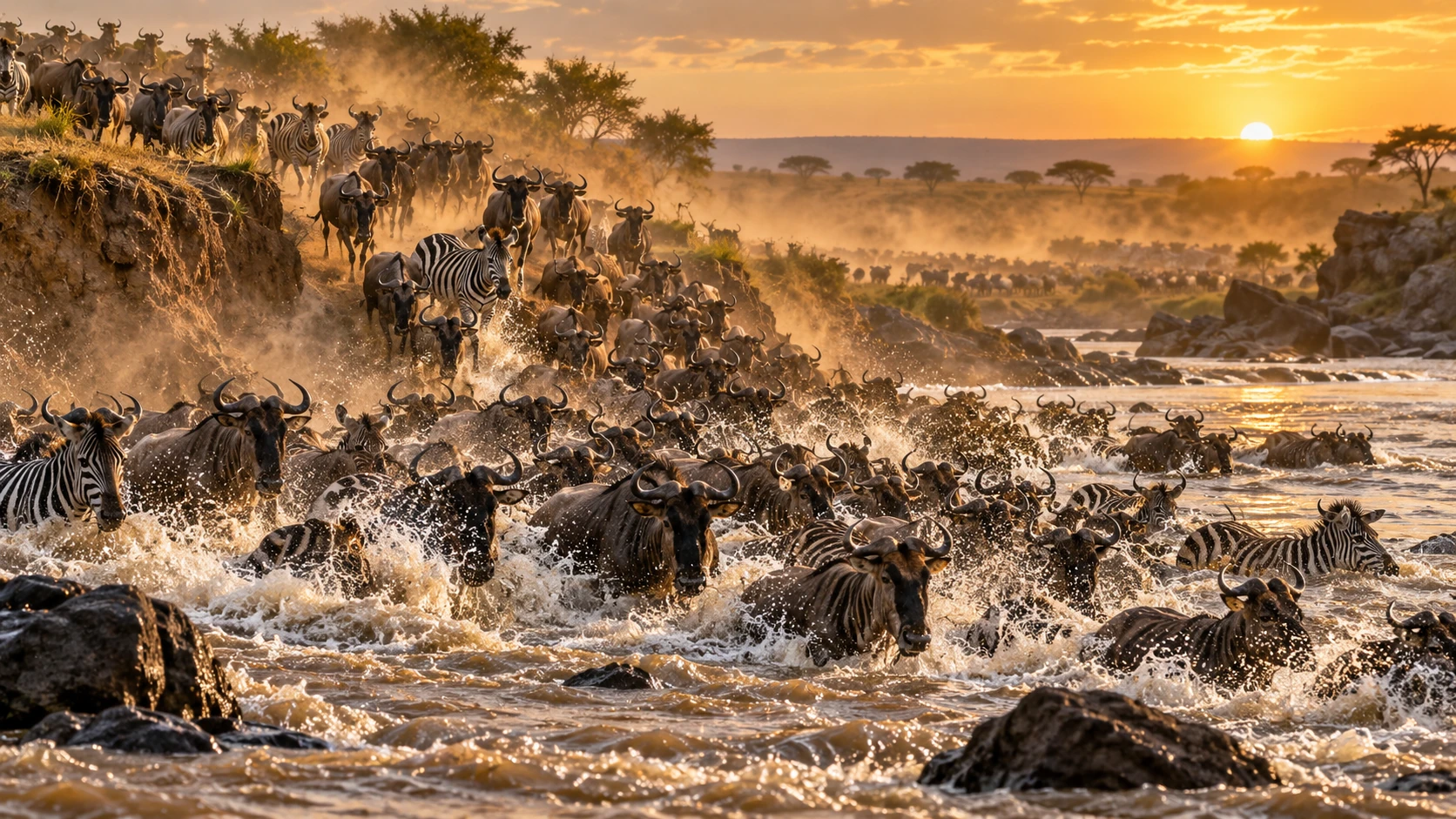
Great Migration energy
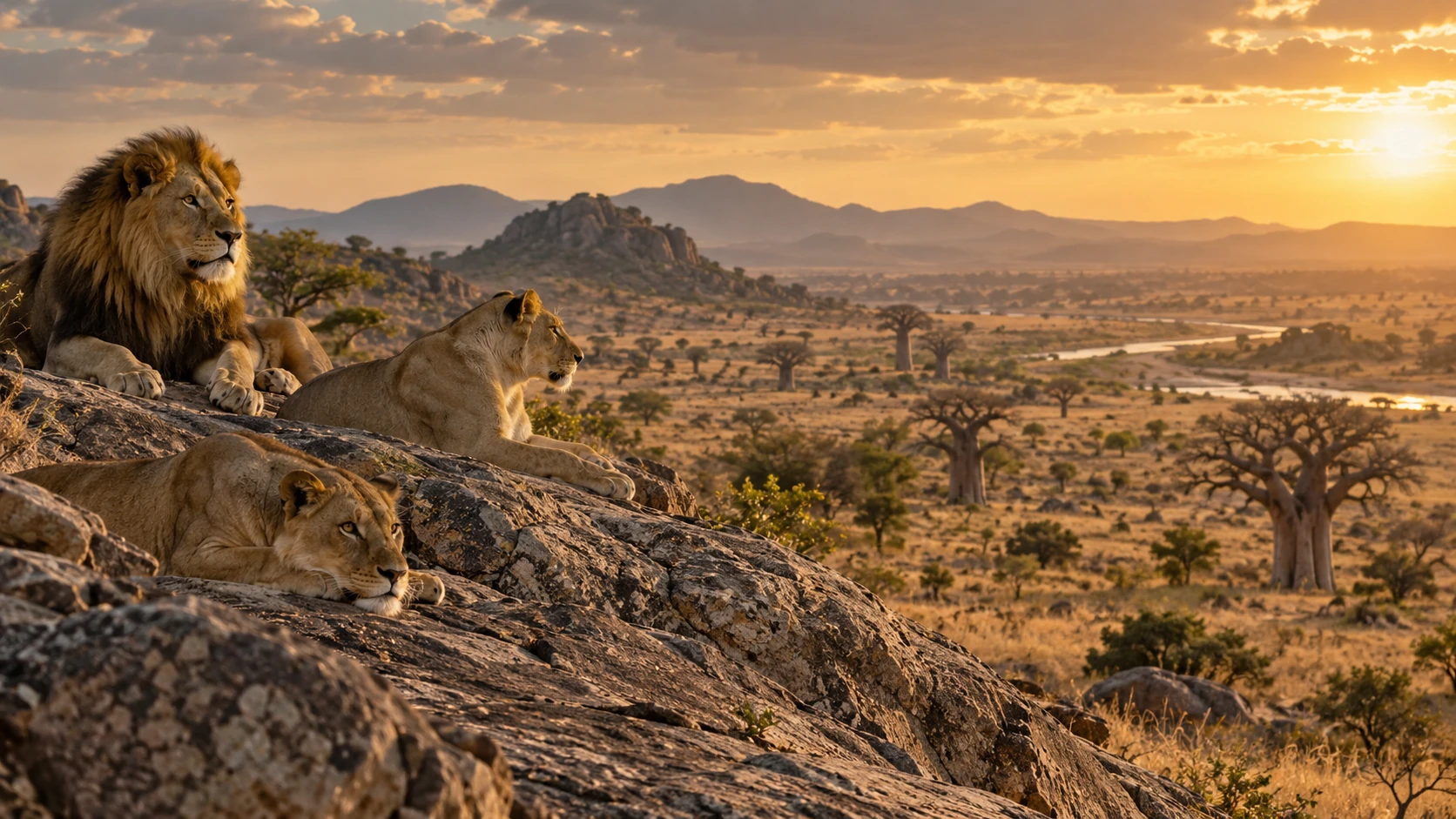
Big cat country
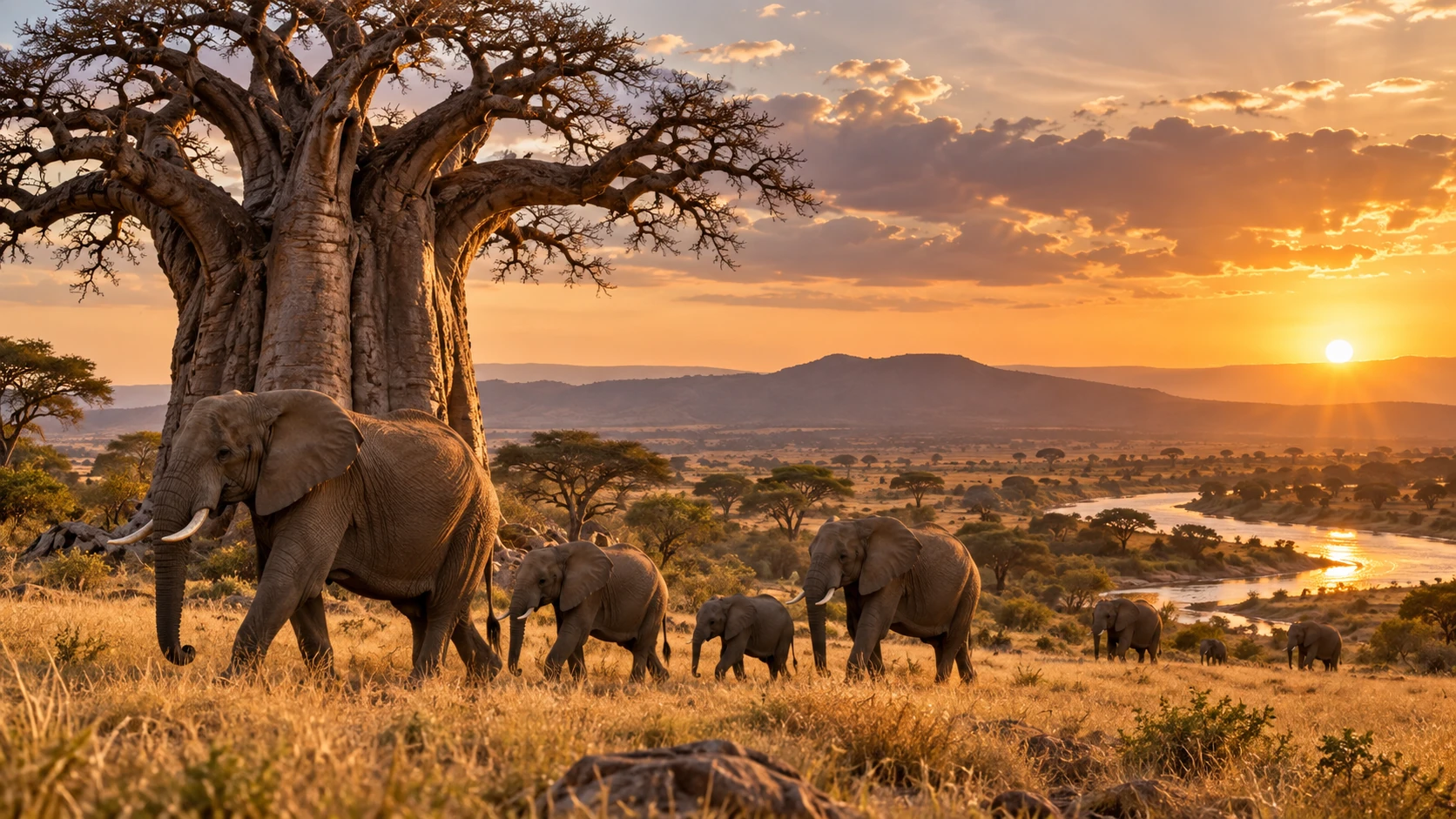
Elephant landscapes

River safari moments
Build Lake Manyara National Park into your wider journey.
Private safari, mountain, culture and island arrangements from one local planning team.